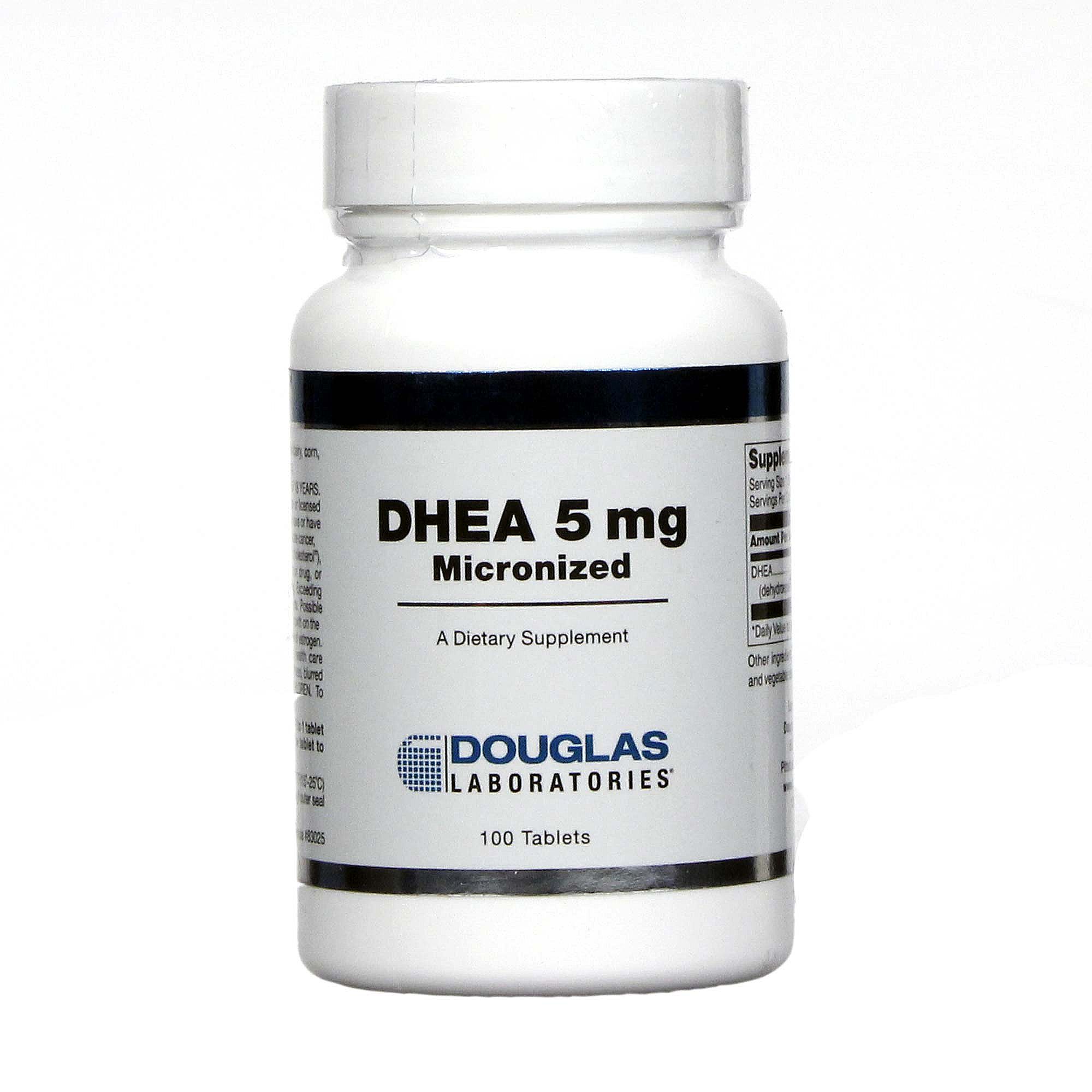
Dehydroepiandrosterone or more commonly called DHEA, is the most abundant steroid found in the human blood stream. It is also one of the most reliable bio-markers of ageing. DHEA is secreted by the adrenal glands, and also produced in the gonads (testes and ovaries), and brain. It is sometimes called the "mother of all hormones" because it is the building block from which oestrogen and testosterone are produced, and is vital to health. Thousands of scientific articles have been published on DHEA during the last 50 years, but a clear picture of its role in human health didn't begin to emerge until the 1990's.
DHEA exhibits an amazingly wide diversity of effects
DHEA has been reported to have anti-diabetic, anti-dementia, anti-obesity, anti-carcinogenic, anti-stress, immune-enhancing, anti-viral and anti-bacterial, anti-aging and anti-heart disease effects. In addition, research has shown that DHEA:
- is an antioxidant
- is a hormone regulator (it helps regulate the thyroid & pituitary glands, and enhances thymus gland function)
- decreases cholesterol
- stimulates the production of human growth hormone
- boosts immunity by stimulating killer cell activity
- increases the sensitivity of cells to insulin
- assists in returning the body to a balanced state after a stress reaction
- improves cognitive function, bone formation and libido
- enhances mood by increasing the brain's serotonin levels
We’ve known for over a decade that DHEA protects against obesity and its consequences in ageing and diabetic animals. In 2009, scientists confirmed that low DHEA levels in men were linked to diabetes and coronary heart disease.49 DHEA powerfully modulates gene expression to shift the metabolic balance in favour of energy utilisation and away from storage as fat.
DHEA also activates gene expression of cellular machinery that affects a cell’s consumption of fats and sugars to remove them from circulation. These molecules help correct harmful lipid abnormalities and unhealthy body fat distribution—a possible mechanism by which DHEA decreases total body fat.
In 2007, researchers demonstrated in aged rats fed a high-fat diet that DHEA increased body protein, while decreasing total caloric intake, body weight, body fat, and total size and number of fat cells. In a related experiment, researchers discovered that DHEA could change the composition of adipose tissue, boosting levels of beneficial omega-3 fatty acids while reducing harmful omega-6 fatty acids.
A human study showed how powerfully these DHEA effects can modify body composition.4 When 52 elderly men and women took 50 mg per day of DHEA or placebo for 6 months, it reduced stubborn abdominal and subcutaneous body fat. Insulin levels dropped significantly in supplemented patients as well, indicating enhanced insulin sensitivity. The researchers concluded appropriately that “DHEA replacement could play a role in prevention and treatment of the metabolic syndrome associated with abdominal obesity.”
“DHEA replacement could play a role in prevention and treatment of the metabolic syndrome associated with abdominal obesity.” DHEA is highly protective against diabetes and its complications. In diabetic rats, DHEA prevented increases in oxidant stress and oxidative damage related to the disease. It also significantly improved blood vessel relaxation, improving blood flow.57 DHEA induces genes in muscle tissue that increase uptake and utilisation of blood glucose as energy, significantly lowering blood sugar in diabetic animals.58 In humans with type 2 diabetes, DHEA counteracts oxidative imbalance and the formation of deadly advanced glycation end products (AGEs), and down-regulates the inflammatory TNF-alpha system—effects that may prevent the onset and slow the progression of deadly diabetes.
Cardiovascular Disease Defence
The past several years have witnessed extraordinary advances in our understanding of DHEA’s cardioprotective power—and its relationship to cardiovascular disease.
A 2009 study of 153 diabetic men with stable coronary heart disease (CHD) found that 77% were DHEA-S deficient, significantly more than in healthy peers. Over the next 19 months of follow-up, 43 of those men died of CHD; the data showed that low DHEA-S and low testostosterone levels were two of the four most significant predictors of death.
Enhanced Well-Being and Libido Even in Challenged Populations
Another 2009 study of 247 men with a mean age of 76 years revealed that those with low DHEA-S had a 96% increased risk of diabetes and a 48% increased risk of coronary heart disease.
A 2009 study from the University of Pennsylvania discovered a surprisingly close relationship between mortality and the trajectory of DHEA-S decline in older adults. Specifically, a rapid or erratic decline in DHEA-S predicted earlier death, and both together increased the death rate by nearly threefold! Regular blood testing for healthy DHEA-S levels are the only way to detect these lethal changes in DHEA levels early. It is of paramount importance that you have your DHEA-S levels checked at least once a year.
A Mayo Clinic study found that DHEA supplementation (50 mg per day) in women with low DHEA levels and low adrenal function improved plasma DHEA content, significantly lowered total cholesterol, and tended to reduce triglyceride and low-density lipoprotein (LDL) levels. But supplemented patients also had reductions in their beneficial high-density lipoprotein (HDL) levels. This study suggests that long-term studies are needed to determine the impact of DHEA supplementation on cardiovascular risk in women with low adrenal function.
Additional support for DHEA’s benefits in patients suffering from vascular disease came in two remarkable 2009 studies. The first examined vascular remodelling, a dangerous process that occurs when vessels are injured by atherosclerosis. Vascular remodelling can impede blood flow and ultimately worsen cardiovascular disease.
DHEA significantly inhibited vascular remodelling in a rabbit model of carotid artery injury and limited deadly buildup of smooth muscle in vessel walls. Another study of rabbits fed a high-fat diet showed that DHEA supplements restored oxidative balance, lowered lipid levels and inflammatory damage, and prevented heart muscle tissue death and dysfunction, delaying the onset of cardiac damage.
Further Research and Evidence
Studies as early as 2000 demonstrated how DHEA improved well-being and could help to manage menopause without deleterious effects. In 2006 it was revealed that 50 mg per day of DHEA could improve psychological well-being even in challenging populations such as those with decreased pituitary function.
DHEA exerted a remarkably positive effect on health-related quality of life in women taking long-term steroids for lupus (chronic steroid therapy can produce powerful depression and reduction in quality of life measures). Of particular importance, the DHEA-supplemented groups also reported improvement in sexuality.
Additional research supports an excitatory effect for DHEA on sexuality—especially in women. In one study, sixteen sexually functional postmenopausal women were randomly given either placebo or a single DHEA supplement of 300 mg, 60 minutes before presentation of an erotic video. Women in the supplement group showed significantly greater mental and physical sexual arousal during the video than did the control women. The supplemented women also reported a greater increase in positive affect (generally feeling good) compared to placebo recipients.
A 2009 animal study may shed light on some of the physical causes behind these benefits: DHEA applied to the smooth muscle of rabbit clitoris resulted in significant relaxation,70 allowing the increased blood flow and engorgement that results in enhanced sensitivity during sexual arousal.
Favourable Gene Expression for Youthful, Glowing Skin
A growing body of scientific evidence suggests that DHEA has especially favourable effects on skin health and appearance. In a 2000 laboratory study, DHEA was shown to increase production of collagen—the protein that gives youthful skin its suppleness—while decreasing production of the collagenase enzymes that destroy it.
It wasn’t until 2008, however, that Canadian scientists discovered more than 50 DHEA-responsive genes in the skin of women using a topical DHEA crème. DHEA “switched on” multiple collagen-producing genes and reduced expression of genes associated with production and cornification (hardening) of the tough keratinocytes that form calluses and rough skin. The researchers concluded, “DHEA could exert an anti-aging effect in the skin through stimulation of collagen biosynthesis, improved structural organization of the dermis while modulating keratinocyte metabolism.”
Other unexpected benefits of topical DHEA on ageing skin are emerging. DHEA treatment increases production of sebum, or skin oil. Sebum not only contributes to smooth, supple skin; it also contains myriad antimicrobial components that prevent infection and irritation. Topical DHEA also improves skin “brightness” and counteracts the “papery” appearance of ageing skin, combating the epidermal thinning that is a visible hallmark of ageing. The study authors note that these are “beneficial effects on skin characteristics that are rarely provided by topical treatments.”
Summary
In the past few years alone, significant scientific substantiation of DHEA’s anti-ageing effects has emerged. Its neuroprotective effects are now recognized as being vital in protecting memory and reducing depressive symptoms in older adults. DHEA enhances bone health by improving mineralization to reduce fracture risk. DHEA modulates immunity in a coordinated fashion, boosting resistance to infection while quelling dangerous inflammation. DHEA supports cardiovascular health and activates genes that prevent cardiovascular risk factors, including diabetes and obesity. DHEA is intimately involved in improving quality of life and bolstering sexual arousal, while dramatically improving the appearance of healthy, youthful skin. As little as 50 mg of DHEA per day may favorably alter gene expression to inhibit multiple factors implicated in metabolic syndrome; boost bone strength; enhance cognitive function and memory; and ward off osteoarthritis. DHEA topical crèmes allow ready application of DHEA to the site of action.
Note: Individuals who have been diagnosed with a hormone-dependent cancer should not supplement with DHEA until their cancer is cured.
Reference: http://www.lifeextension.com/magazine/2010/12/new-research-substantiates-the-anti-aging-properties-of-dhea/page-02

