Showing posts with label food. Show all posts

Friday, 15 July 2016

10 ways to stay healthy on holiday

Leaving behind the era of guilt inducing fly-and-flop holidays, more of us are now adopting the view that taking time off for your holiday shouldn't have to mean taking time off from your healthy lifestyle and throwing away months of hard work at the gym on one gluttonous getaway. With one in three people wanting to 'tone up' on holiday and nearly one quarter looking to lose weight. Health and Fitness Travel, the leading specialists in healthy holidays worldwide, make this mission easier as they share their 10 ways to stay healthy on holiday. Swapping tanning for training, return home happier and healthier, with benefits that will long outlast your holiday tan. I have previously written about herbs for holiday health and you can read it here: http://yaso-shan.blogspot.co.uk/2011_07_01_archive.html However, other tips include these top 10 suggestions:

1. Travel healthy
Give yourself the best start and arrive at your destination in peak condition by travelling healthy Being confined to the cramped conditions and recirculated air of an aeroplane can have a detrimental effect on our bodies and immune system. Swap boozy beverages for water to stay hydrated and keep your circulation flowing with some simple yoga stretches.

2. Be workout wear prepared
It may seem obvious, but this is rule number one, so that you can't use the fact that you don't have your trainers as an excuse not to exercise. If suitcase space is an issue, just pack a couple of workout wear options made of lightweight breathable materials that can cope with the heat and can be easily hand washed for re-wear during your trip.

3. Active Exploration
Adventure beyond the hotel pool and explore your new surroundings whilst giving a healthy boost to your fit you'd rather take in the sites on a leisurely jog or go the distance on a bike ride the concierge for the most picturesque route and discover the beautiful scenery whilst upping your heart rate.

4. Swim for Success
A full body workout and great cardiovascular exercise, swimming is a refreshing way to keep active whilst staying cool and is full of health benefits, from muscle toning to reducing stress. Raise the pace from your leisurely bobbing sessions and get your heart pumping by fitting in a few swift lengths in the pool or ocean before breakfast when there are less people around.

5. Catch up on Sleep
Constantly trying to shake the feeling of being over tired? Holidays are an important time to catch up on lost sleep and allow our bodies time to recover and recharge. Keep in mind that in hot conditions, sleep may be disrupted whilst your body adjusts to the new climate, so avoid the temptation to stay up e every night of your holiday.

6. Eat the right diet for the right holiday
When leaving behind your usual routine, think about fuelling your body with the right nutrition for your trip and not just reverting to the holiday mind-set of overindulgence. If you're going on a multi activity holiday you'll need a diet of slow energy releasing carbohydrates to keep up your strength, if you're relaxing on a spa break, watch your portion sizes and swap foods high in sugar and fat for more fresh fruit and vegetables.

7. Get some Vitamin D
The Vitamin D we get from sunlight allows us to absorb the calcium and phosphate that makes our bones healthy and boosts our immune system. Outside of the peak hours of 11am to 3pm, when the sun is at its hottest, spend 15 minutes a day without sunscreen to get your daily dose of Vitamin D.

8. Use nature as your gym
Make the most of your natural surroundings and embrace the opportunity to get out of the gym and back to nature. Add some resistance to your running on a sandy beach, use the jungle as your own jungle gym or take your workouts to the water with surfing or paddle board yoga and discover muscles you didn't even know you had.

9. Cool down
If you're exercising in hot conditions, your body's core temperature will be elevated. In order to recover effectively from a workout in the heat, bringing your core temperature down is a priority and will help to lessen muscle fatigue. Reducing your core temperature can also help you to recover from the mental fatigue of a session sooner.

10. Make day-to-day changes
Health and fitness is a lifestyle and should be a part of your daily practice no matter where you are in the world. Make small daily changes on your holiday, from taking the stairs rather than the elevator, to swapping an afternoon at the bar for a game of tennis or golf, and reap the rewards when these changes transition to your daily life back at home.

For advice, guidance and booking visit www.healthandfitnesstravel.com or call 0203 397 8891

Thursday, 23 February 2012

The Answer to my Prayers: Primal, Savory, Hearty Nut Loaf

Damn good. Nut Loaf.
Been dreaming about it for a few weeks....and as it goes, need is the mother of invention- or a hungry belly.  My fridge is down to hummus, eggs and nuts...and preserved lemons.  But I'd purchased the makings for this loaf a few weeks ago.  

So- to work I got- and out came a hearty, savory, sweet, firm, chewy loaf- takes to hummus quite well...or your own toppings of choice- butter, nut butter, cheese and apples, sausage and brie- or what have you.
Its grain free- gluten free- dairy free- primal friendly- and very adaptable to your tastes.

Recipe for Darcey Blue's Savory Nut Loaf


2 c almond meal
2 c toasted walnuts
1.5 c toasted pecans
1/2 c dried fruit (cranberry, sultanas, raisins, apricots, even sun dried tomatoes should you choose)
1.5 tsp baking powder
1 tsp salt
1/4 c olive oil (or butter, or coconut oil)
lemon zest (or try orange zest)
4 eggs, beaten
2 tbsp water


toast your nuts, and cool.  pulse coarsely in your food processor or blender- not to powder, just to small chunks.
Mix almond meal, nuts, fruit, salt, baking powder, and zest together in a large bowl.  Beat eggs, oil and water together, and fold into the nut mixture.  


Pour into your greased loaf pan, and bake at 375 degrees F for ~ 35 min.  Let rest and cool for an hour or so before slicing into the loaf.

Store in the fridge, unsliced. Slice off a thick slab as needed to go with soup, hummus, fruit and cheese or what have you. Its great plain too.

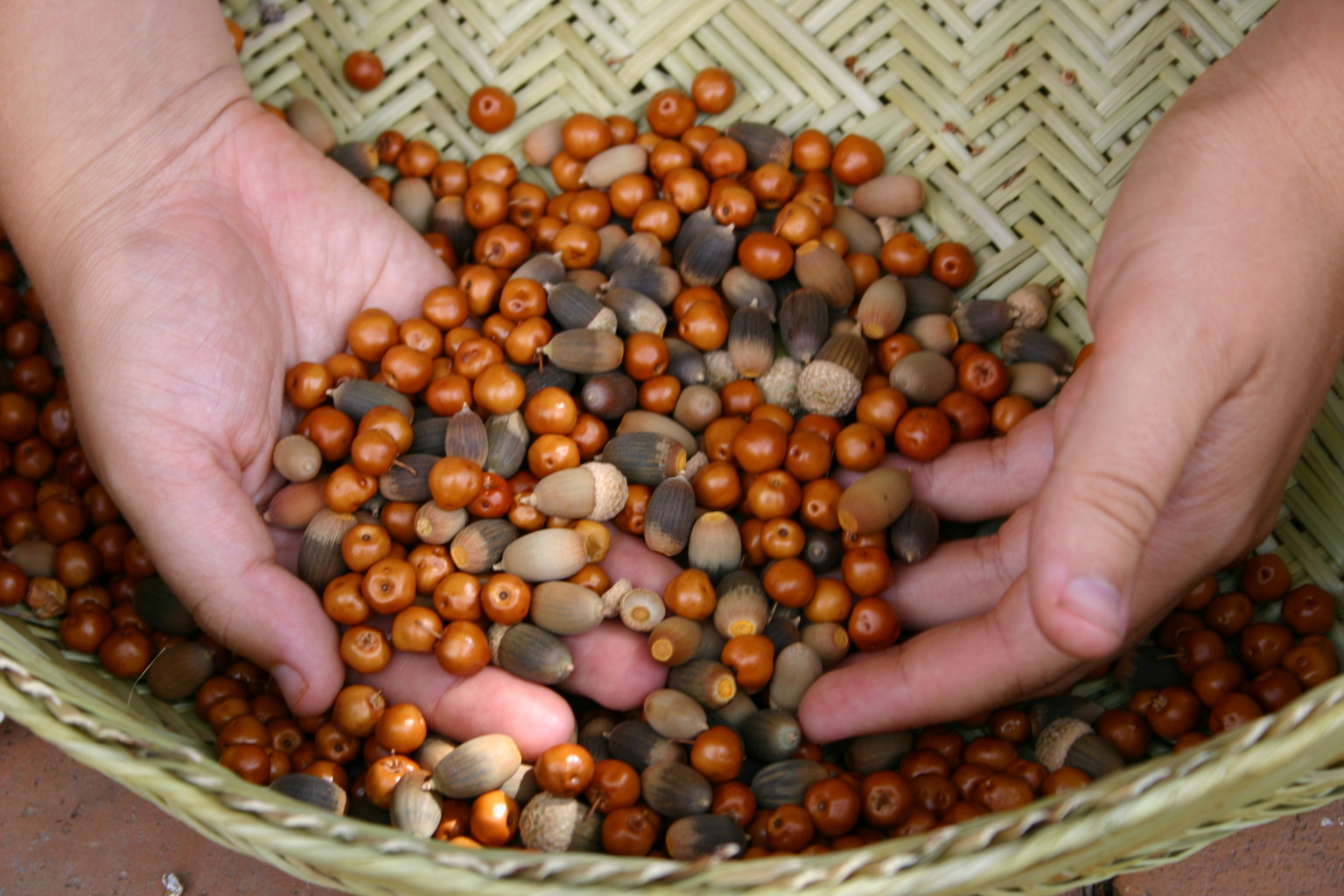
other options- add pepitas and pine nuts, or acorns, or dried apricots, or sundried tomatoes, or olives, or cinnamon and clove, or rosemary and lemon peel and black pepper ..or ...or... the possibilities are endless....

perfect to serve with  little tea.


Interested in finding out more about delicious, nourishing foods, herbal medicines, nature connection, opportunities for herbal/nourishment mentorship or creating a personalized natural wellness program with Darcey Blue- be sure to sign up for my newsletter- where you get all the details first, and specials just for newsletter subscribers!


Tuesday, 14 June 2011

Whole Food Meals for Empty Pockets- Wilted Kale Nicoise Salad

Found myself in a time of little money, and a lot of transition.  But skimping on eating healthy food isn't my idea of a good time- broke or not.   So, to the co-op I went, and spent 70$ on food.  To last me until the end of the month.  Thats roughly 23 bucks a week for three weeks. 
So, what can you make that's healthy on a budget like that? 

My biggest concern was how to get adequate healthy protein for my high protein, high fat diet.  I try to stay away from too many grains, but have made an exception during this period to include well soaked and well cooked beans.

I stocked up on organic dry beans (pinto, chickpea and lentils), 4 dozen eggs, cans of wild salmon and tuna, a family pack organic meats on sale when I shopped (that was a family pack of some steaks, chicken thighs, bacon ends, and several soup bones.) 
I also invested in some butter, some kale (2 bunches, and high hopes of including wild foraged greens in my daily fare- including nettles, grape, dandelion, violet.)

I also gratefully accepted some donations from a friend, including some olive oil, vinegar, a chicken, onions, garlic and some other basics. 

So- here's some of the on the cheap meals I'm creating!
Wilted Kale Nicoise Salad
Serves 2

2 c chopped kale leaves
2 boiled eggs
1/2 - 1 can tuna
1-2  c slow cooked chickpeas
1 slice red onion, diced
1/2 c tomato slices (I admit, I splurged at the farm stand- but got a giant bunch of small org farm tomatoes for 2 bucks.)
pepper to taste
1 -2 tsp salt
2 tbsp olive oil
1 tbsp balsamic or herbal infused vinegar (ACV works too)
(capers, olives, or lactofermented pickles if you have them in the pantry already)

You'll want to start by soaking your chickpeas the night before.  I start cooking them in the morning in plenty of water, on the stove top for 4-6 hrs on low.  A crock pot works just as well.  Add some herbs and spices if you like (thyme, oregano, parsley,garlic etc).  If you're really prepared, you can cook your beans in bone broth!

20 min before your meal, boil two eggs and cool, peel and slice.
Chop your kale and place in a large bowl.  Sprinkle with salt and olive oil, and massage with your hands until well wilted and tender for 5 min. Let rest 10 min.

Dress the salad with the remaining ingredients, and toss well.
Yum!
Eat immediately.  This will save in the fridge for a day, but I like it best fresh, and a bit warm rather than cold.

If you feel extra splurgy, or aren't eating on a budget, a little feta and walnuts would be a nice touch too- but I don't have either right now.  You can use more or less tuna and beans depending on your appetite and how many you are feeding.

This meal is complete with healthy protein from both organic animal and vegetable sources, good quality fats (olive, omega fatty acids from tuna and eggs), and minerals from nutrient dense kale.  A little nettle vinegar will add to the mineral benefits of the salad.  Its filling, not too high in carbohydrates, and a sustaining meal for lunch or dinner.

If you do not like to eat kale raw, even wilted (and this is very common) just steam your kale and dress it with the salad ingredients after cooking.  No problem, it will taste just as delicious.  You could also try this with other seasonal greens available- arugula, dandelion, steamed chard, mustard, steamed nettles.  Hearty greens will respond well to wilting.  And by all means, add some lettuce if you have that around, just don't skimp on the mineral rich deep leafy greens like kale.

Thursday, 24 March 2011

Wild Things: Spruce Steamed Baby Artichokes and Spruce Mayonnaise

Rebecca at Crockpots and Cauldrons has a blog round-up or blog party on WILD THINGs each month. This month was devoted to spruce tips.....
So I was all stoked to take part, then i realized, spruce tips are a ways off...so I did spruce needles instead.  I think the tips work better tho.  The needles are poky and stiff even when cooked or blended up.   But nonetheless, the taste is fresh, citrusy and suprisingly delightful! 
Spring is coming soon...and I found baby artichokes at the market. 

So I steamed them with spruce twigs in the water.  It gently flavored the tender baby chokes with a fresh flavor.


Then I used some more spruce needles stripped from the branches to add to a luscious bacon fat based mayonnaise. 
The steamed chokes topped with a creamy fresh mayonnaise were a perfect spring lunch!  Recipe below.


8 Baby artichokes, cleaned and trimmed.
3 Palm sized spruce twigs

Toss the cleaned and trimmed chokes in a steamer basket, and add spruce twigs to the bottom of the pan, with just enough water to cover the twigs.  Turn on medium heat and cover chokes and spruce and water and steam for 20 min.

For the Mayonnaise:
1 c bacon fat, warmed to liquid
1/2 c spruce needles or spruce tips
1-2 slices of preserved lemon
1 whole egg and 1 egg yolk
salt to taste

Whip the eggs,salt, lemon and spruce in a blender, and slowly add in bacon grease, blend until creamy.
Serve over warmed or chilled baby artichokes.

But

Monday, 14 March 2011

Super Breakfast Soup with Poached eggs, Nettles and Seaweed

I would have taken a picture for you, but ate it all up before I could.

This is a incredibly nourishing shot of minerals, energy and probiotic foods for a morning meal. Or anytime really. I like poached egg soup for breakfast a lot though.

2 cups bone broth or water
1 pinch sea salt
1 tsp tamari (wheat free)
2 tbsp miso ( I use south river miso chickpea miso)
2 eggs
1 tbsp nettle leaves (dried, fresh is better if you have them)
1 tbsp seaweed flakes (kelp, wakame or otherwise)
1 tbsp medicinal mushroom powder (from Mushroom Harvest)
a few heaping spoons of sauerkraut or lacto fermented ginger carrots
1 tbsp ghee or coconut oil

Mix broth,  salt and tamari in a sauce pan, and heat until just simmering.  Reduce heat to medium and crack two whole eggs into the hot water. Cover for 2-3 min to poach.  Add herbs to the pot, and cook until just tender.

Mix miso with 2 tbsp warm water in a bowl, top with kraut or carrots.  Pour hot soup and eggs over the mess in the bowl, top with a spoonful of ghee or coconut oil. 
Eat.

YUM!

Hey, and this even contains all the good foods Sean reccommends for keeping the thryoid healthy in the face of possible radioactive iodine from degrading nuclear plants.

Wednesday, 16 February 2011

Sesame Ladhu

Sesame Ladhu


One of my favorite treats I learned about from an Ayurvedic practitioner are sesame ladhu, which are rich in minerals ( especially calcium) , healthy fats, warming spices, smooth ghee and fiber rich sesame seeds. I can whip up a batch of these in about 10 min, put them in the fridge for 15-30 min and then enjoy almost right away. It is suggested to eat one ladhu per day for menstrual problems, but I can't seem to keep them around long enough to eat just one a day.
Here's the recipe:

1/2 c whole Sesame seeds — * lightly roasted
1/4 c Jaggery sugar — (raw sugar works just fine too)
25/50g Coconut — grated from block,or use dessicated
1 tsp Cinnamon
1 tsp Cardamom — powder or seeds ground
1/2 tsp Ginger — ground
2 tbsp Ghee - warm and runny (you could probably make lovely ladhu with coconut oil or melted butter, but ghee is especially good, Make your own or buy it at the indian grocery.)
Grind seeds in a blender to a coarse powder, then add other items and mix in a blender.
Roll into small balls. I find they fall apart easily so gently round them into a ball and place on plate gently. An ice cream scoop or melon baller would work well too to form these.
refrigerate for 20-30 min, and store covered. Eat one a day ( I bet you can't eat just one. I can't)

*Note: Roast sesame seeds at low heat (electric 2) until they are golden brown for richer toastier flavor; any darker gives a more bitter taste.

*Note: You may want to add other powdered herbs to this blend to make them more therapuetic.  I'd suggest ashwaganda, shatavari, maca, peony, licorice root, schisandra, eluthero, or others.  A twist might add a few cacao nibs in the mix as well.


These are delicious, and everyone in the household can take part in your treat, and enjoy it. They might complain if you eat them all to yourself though, they are that good.

Saturday, 8 January 2011

Nourishing the Wild You- Food, Energetics and Nourishment Online Intensive

Back by popular demand in 2011!  I will only offer this course once this year, so get in while the getting is good!
Class size is strictly limited to 20 students!  Last year 45 students enrolled!  Don't miss out!


Join Herbalist, Nutritionist, and food lover, Darcey Blue French of Brighid's Well Herbs (www.brighidswellherbs.com), for an  8 week online intensive course on the energetics of food, true nourishment, nutrition, relationship with place and food, nutritional healing and more.


*Learn about the ways traditional healing systems such as Ayurveda and Chinese Medicine see food energetics, and use food as healing tools on a day to day basis.
* Explore your relationship with food, your body, what you eat and why.
* Discover your natural physical constitution, and how you can use food to help you stay balanced.
* Be prepared for a deep exploration of food and our relationship to it, this can be uncomfortable and emotional, as well as enlightening and sensual. Food is a deeply influential factor in our psyche, social interactions, and cultures. All students are expected to be sensitive to others and compassionate and respectful.
*Appropriate for food enthusiasts & practitioners alike.
*Very HANDS ON, expect to be preparing foods, meals and weekly assignments for the duration of the course. This is an EXPERIENTIAL class, not just book work. I will provide resources and readings, but the bulk of the work will require the actual preparation and consumption of food.
* This is not a cooking how to class. You should feel comfortable cooking and working in your kitchen. There will be recipes and ideas shared during class discussion, and pointers and questions are always acceptable.
*Requires access to e mail and the internet on a weekly basis. Class discussion is a part of the learning process.
*Weekly telephone conference session with Darcey and other students for discussion, questions and sharing.  
*some additional texts/books suggested in addition to course fee

Arrangements may be available for those with limited access. Please inquire.

 Payment in installments is available by request.
Please register by emailing Darcey at shamana.flora@gmail.com or calling 520 429 2654.


About the Instructor:
Darcey Blue French is an herbalist and food lover, who has over the years explored various ways of eating, interacting with food and preparing food. Educated as a Clinical Nutritionist at the North American Institute of Medical Herbalism in 2008, she has been in private practice since that time. She has experience in Ayurvedic Cooking, Vegetarian, Allergen Free, Primal/Paleo diets and the philosophies of Dr. Weston Price. Food is far more than fuel, and Darcey is passionate about food that not only nourishes the body, but also the spirit, and tastes wonderful too. She works closely with plants, both wild and cultivated that provide both food and medicine. She is an avid forager of wild foods, gardener of organic vegetables, and is passionate about local and sustainable food systems, and how our relationship with the land, nature and wilderness impacts our physical and spiritual health and wellbeing. She truly believes that one cannot separate the health of the people from the health of the ecosystem in which they live.

Intense, vibrantly wild and alive!

REPOST FREELY!! PLEASE & THANK YOU!


Wednesday, 1 December 2010

Chicken Pot Pie- Gluten Free

I have fond memories of those individual sized frozen pot pies on cold winter nights as a child.  They way the smell baking in the oven, the fun of a pie all my own, the savory taste of chicken, buttery crust, and sweet carrots.  I started having a bit of a craving for this childhood favorite while visiting family over Thanksgiving. 

Here's the grown up version I came up with tonight- gluten free!  You can make it dairy free as well using coconut oil or lard in place of butter.  I used homemade chicken bone broth that I had cooked with healing herbs like astragalus and burdock, for extra deliciousness and health. 

Crust
2 cups Bobs Red Mill GF Biscuit and Baking Mix 
1 stick of butter or 1/2 c coconut oil or lard
8 tbsp cold water

Cut the butter into the mix until grainy, add water and just bring the dough together.  Roll out on a wax sheet dusted with tapioca flour.


Filling:
2 chicken breasts, cooked and cubed
1/2 large carrot
1 onion, diced
1/2 cup cubed butternut squash
1/2 c chopped mushrooms

10 oz chicken stock (prefer homemade bone broth infused with herbs)
3 tbsp tapioca starch (dissolved in 1/4 c cold stock)
1 tbsp butter or lard
2 tsp salt
1 tsp black pepper
1 tsp lovage leaf
1 tsp sage leaf

Mix tapioca starch with 1/4 c cold stock.  Warm remainder of stock in a sauce pan with herbs and fat.  Not to boiling, but just to hot.  Add the tapioca starch mixture to the stock to make a thick gravy.

Add chopped chicken and veggies to a large pie pan.  Drizzle the gravy over the veggies. Lay the crust over the chicken and veggies and pinch shut around the edges.  Poke a few holes in the crust with a fork.

Bake at 350 for 1 hr.
Let cool for 30 min before serving. 
Serves a family of 4 generously. 
YUM!

Friday, 15 October 2010

Nourishing the Wild: Part 3- nourishing foods and local food

The human body is an amazing system that runs, heals itself and prospers when given all the right tools or nutrients to do so.  Many of our herbal therapies revolve around NOURISHING herbs like Nettles, oatstraw or rosehips.  The wild body is made up of all that you eat.  Shouldn’t the food we consume be firstly, nourishing?  The wild body needs NUTRIENT DENSE foods.  This excludes foods that have little nutrient content.  This includes processed foods, especially those which have to be fortified to have any nutrition.  White flours, sugars, sodas, chips, cakes, pastas.  I tend to think of industrial foods, foods which come in a fancy box or bag, and bear little or no resemblance to the original plant or animal from which it came.    Nutrient dense foods are whole, unmodified, and vital.  This includes fresh produce picked at peak ripeness (not artificially ripened with chemicals in shipment from two continents away), animal foods from healthy, free range, wild sources, nuts/seeds.

Modern vs Traditional Foods
  The work of people like Weston Pricehave brought to the forefront the fact that for much of history, and prehistory, the diet that humans ate served them well, and we were free of most chronic diseases (diabetes, cardiovascular diseases, cancers, autoimmune conditions).  These types of diseases are known as the diseases of civilization, and only showed up in societies after the introduction of widespread consumption of grains, and worsened dramatically with the introduction of modern processed foods and sugar.  Many traditional peoples living on their traditional diets into the early 1900’s suddenly were found to have “modern” diseases shortly after the introduction of these modern foods by colonizing societies.  Doctors who worked in colonies traced the appearance of these diseases.  The human species literally ‘grew up’ on foods that consisted of wild or pastured meats, seafood, eggs, nuts and seeds when available, wild fruits like berries and wild plant foods. 
Our modern food system has further decreased the nutrient content of our food by depleting the soil, and feeding animals inappropriately, and in both cases growing the ‘product’ in a way that is not in line with the needs of that organisms biology.  Soils that have been under cultivation for any extended period of time gradually get depleted of minerals, through uptake into the plants grown there.  Modern industrial agriculture only replenishes the soil with three nutrients (Nitrogen, Phosphorus, and Potassium), that are required for plants to survive, but neglect to replenish the soil with other minerals like magnesium, calcium or other trace elements.  This is including all the soil that runs off in irrigation ditches, or blows away as dust in drought years.  Thus- an apple is not what it was 100 or even 50 years ago.  The nutrient content has decreased by leaps and bounds.
Likewise animals raised for meat are confined and fed corn and soy (much of which has been genetically modified), which disrupts the delicate balance of gut flora, increases the incidence of e. coli, and completely changes the fat profile of the animal, favoring the production of Omega 6 fatty acids vs Omega 3 fatty acids, unlike their wild and grass-fed cousins.

So the wild body needs and desires nourishment- what precisely do we need to feed our wild body in the most optimal way? 

Minerals- minerals are abundant in plant foods like greens and fruits.  Grains and legumes tend to prevent the absorption of minerals unless fermented and sprouted.
Seafoods like kelp, oysters, etc are rich sources of many minerals, including the precious trace minerals that are no longer found in our agricultural soils.   Certain minerals are richer in animal foods like zinc and iron.

Healthy Fats- Contrary to what “modern’ knowledge has been telling us for the last 50 years, fat is an essential nutrient.  Fat phobia is rampant in all circles, but fat is not our foe.  Fat is a dense source of energy, rich in fat soluble vitamins that are hard to get otherwise in the diet, fat makes up our cell walls, 70% of our brain tissue, is the precursor for hormone synthesis.  Most commonly Americans are deficient in the Omega 3 fatty acids, which for much of history we got from eating wild, grass-fed animals and fish.  Modern meat production practices have virtually eliminated this from our food.  Eat wild fish and grass fed meat.  Many fat soluble vitamins (A, E, D) are deficient in folks who avoid healthy fats.

Vitamin D – Though present in small amounts in fatty animal foods like fish, liver, full fat dairy products and eggs, adequate vitamin D intake has most often come from our skins ability to make it when we are exposed to sunlight.  The wild human optimally spends time outside in the sun everyday.  To fully nourish your wild body – you need to get outside.  Go out and forage some wild foods, grow a garden, and take off the long sleeves and sunscreen for a little while. Make some Vitamin Sunshine D.  For many of us  who live in cold climates in winter, or who work inside all day, getting enough Vitamin D can be downright impossible.  Many practitioners of all walks (natural and allopathic) are beginning to see the importance of Vit D in all sorts of chronic ‘modern’ diseases, and recommending to their clients/patients to supplement with Vit D.  Range can vary between 2000 i.u. to 10,000 i.u. per day.  You can get your Vit D levels checked with a simple blood test (25(OH) vitamin D) and it should be somewhere between 50–80 ng/mL.  For most people this requires at least 4000 i.u. per day.  Nursing or pregnant mothers may need more, as do those with serious health issues (cancer, diabetes, autoimmune disease, osteoporosis etc).


Eating Local:
Eating locally is all the rage these days, for many reasons. The food tastes better, is more nutritious, supports local economies and puts us in contact with the people and the land producing our food.  In what ways does this nourish our communities and land bases? And how does it nourish our wild selves more deeply?
Food grown and produced locally is generally fresher, more nutritious, and most often grown in a sustainable way.  When you buy food from local farmers, markets and vendors you support the right livelihood of those people in your community.  You give these people who love the land, and who love what they do a chance to do just that, and a way of nourishing THEIR wild self. When supported by a community that values what they provide, and asks for what they want, these people can become important stewards of the land base which the community depends.  It becomes less about how much money, and growing more and more, and more about what is valued by the community, and how to sustain the land, and the community.


 When you support local growers/ranchers/farmers you can also ask them for what YOU want.  Knowing that they are supported by their community, they can respond and provide for what the community asks for.   
By sourcing your food locally you can also disengage from the industrial food system which is so damaging to the environment, local economies and our health.  Another important aspect of this disengagement from a very unsustainable industrial food system, is peak oil.  I don’t know when we will run out of oil, and if we’ll have developed an alternative energy source, but at the very least, the reduction in cheap oil availability is going to seriously impact how food is delivered.  No more oranges from Chile in December or lamb from New Zealand.  Wouldn’t it be nice to know that you and your family will still have access to nourishing food sources that are local if and when that happens?  And by engaging in the local food market you also strengthen your ties and relationships with the community, the community that you may be dependent on in an emergency, or when things go awry.

Places to get your local food include farmer’s markets, which are springing up all over the country, both urban and rural.  CSA’s (community supported agriculture) where your dollars go directly to the farmer to produce food for you over the season.  I’ve lived in many places, and have found that local ranchers and farmers often sell their products right at their home.  Ask around in the community- chances are someone knows someone who is selling their eggs, or raising their own grass fed bison.    Local co-ops often are full of local products as the local movement gains strength.  Make sure to ASK for it!

Of course, the most obvious way to eat locally is to grow your own food.  It is true that many of us live in apartments in the city with no garden space so to speak of.  Many urban areas have thriving community garden organizations that will rent you a small plot for a fraction of the cost it would be to buy that much organic produce at the market.  When I was a member of the community gardens I paid somewhere between $30- $200 for an entire season/year of garden space and water.  Add another $100 for seeds and plants and soil amendments.  You’ll pay for that in a month of buying produce at the market. In addition, community gardens have a unique mix of beginning and well seasoned experienced gardeners, who are all eager to help each other, and learn from each other.  Even if you’ve never gardened before, the community garden will have someone who can answer your questions.   Learning to feed yourself and your family from work and love you put into a seed and the earth is an incredibly nourishing experience for the wild self.  It provides freedom, confidence in yourself and deepening connection with the land and ecosystem you live in.  You become closer to understanding that plants are living beings no different than animals, and the finer nuances of what each individual plant needs, and where the water comes from, where the nutrients for the soil comes from, how often it is raining, and what the seasons are asking of you in tending your food garden.

Friday, 8 October 2010

Nourishing the Wild Self: Part 2 -What is True Nourishment?

What is true nourishment then?
What does it mean to nourish yourself? Beyond self?

Nourishment:
Etymology: Middle English nurishen, from Anglo-French nuriss-, stem of nurrir, norrir, from Latin nutrire to suckle, nourish; akin to Greek nan to flow, noteros damp, Sanskrit snauti it drips
Date: 14th century
1 : nurture, rear
2 : to promote the growth of
3 a : to furnish or sustain with nutriment

From Merriam-Webster dictionary online (www.merriam-webster.com)

Nourishment is that which sustains, promotes growth and nurtures and tends. Healthy and vital food nourishes our body. But we are not just a body, nor are we separate from the Earth which is nourishing us from her body. We must also nourish and tend our spirit, our hearts wild desires and needs, our families and communities, and in turn nourish and tend the Earth from which it all comes.

The Wild Self requires nourishment on all these levels to thrive and become vital. Thus one cannot eat food which nourishes the body on a purely biochemical level, and expect it to nourish ones spirit if it fills your heart with remorse, heartache, guilt or disgust. Likewise, does the food you purchase and feed to your family nourish your greater community? Does it provide livelihood, health and connection for the farmers and laborers who grew or harvested it? Does the farm or rancher from which the food you eat comes from tend and nourish their land with attention to the soil and the long term sustainability and well-being of the land.


Ask:
In those terms, when you hear the words, Eat Wild! what comes to mind?

How can we find ways to “eat wild” that nourish our bodies most deeply, nourish and tend our hearts and spirits connection to the wild Earth, and directly nourish and tend our communities, and the Earth/land on which we all depend- human and non-human alike?

I realize that some of these suggestions go against what the conventional knowledge of our culture tells us, and require extra expenditures of time, effort and/or money. Some of these suggestions will not be completely achievable by each and every person, but I urge you to find that wild place inside you, and feel deeply what calls most to you. What CAN you commit to in your life, where you live? What feels most urgent and insistent in your wild heart?

Nutrition
What nourishes our wild body most deeply?

Activity:
Tune into the place in your body where you feel your wild self. Now Take a moment and contemplate what the “wild body” is, looks like, feels like?

The ‘wild body’ isn’t about being perfectly svelte or in perfect health at all times. The wild body feels deeply, senses deeply, knows intuitively what it needs to be nourished. The wild body is able and vital, it is capable of performing the tasks which the wild heart insists upon, the wild body is challenged, and the wild body rests. The wild body is respected, appreciated and tended.
The wild body will tell you what it needs to be nourished, if you can learn to differentiate between cravings and true nourishment, and if you can move past the ‘shoulds’ and moral judgements about what is “good and bad” to eat.


Activty:
Tune in again to your wild self. Listen deeply- if you could have any one food at this moment, what does your wild body desire? Feel where in your body you sense that. Now, take a moment and think about your favorite craving, something you feel you might be a little addicted to, or something that is “bad for you” as deemed by culture/society . Where in your body do you feel that craving? Notice the difference between a craving, an addiction, a judgement from a culture that is not “wild.”

Use this as you go ahead in life to take a moment and feel in any situation what FEEDS and NOURISHES that wild place in your self, and what is coming from outside- either as judgement, moral, addicition or craving. It is important to differentiate between an unhealthy addictive craving or civilized judgement on what is good for you, and what your true wild nature KNOWS intuitively is good for you.

Tuesday, 13 July 2010

But I don't like the taste of water.....


I can't recall how many times I have heard that line from clients and friends when told they need to get more water in them.  Water doesn't taste like anything, right?  (Well I happen to disagree- good, fresh, clean water is sweet and delicious).   But I do agree that chlorinated, recycled city water often leaves a bad taste in the mouth.  There are a lot of fancy water filtering systems out there, you can take your pick.  I find a simple Britta pitcher or faucet attatchment is sufficient for me in the city.  If you have clean well water or rain water, you are blessed!
 So in an effort to hydrate people turn to those commercial fruit flavored waters sweetened with High Fructose Corn Syrup and full of artificial colors and flavors.

Ooops!

But there is a better way!  You can make your own hydrating, delicious and fun to drink flavored waters with fruits, vegetables and herbs at home!  

Cool water will graciously inherit the essence of aromatic flavors which you can provide to it.  What is your favorite flavor?  Melon?  Berry?  Mint?  Lemon?

Go beyond the simple squeeze of lemon or lime with a few interesting twists!  All you need is a few simple herbs, fresh water

Rose and Lemon Water
1 qt water
1 tbsp rose hydrosol
1 tsp rose infused honey
2 slices of lemon

Lime, Cucumber and Mint water
1 qt water
3 slices of cucumber
2 slices of lime
1 or 2 sprigs of fresh mint, crushed

Lemon Lover Water
1 qt water
2 slices of lemon
1 tsp lemon balm or lemon verbena infused honey
1-2 sprigs of  fresh lemon balm or lemon verbena, crushed

Lavender Melon Water
1 qt water
2-3 slices(thin) of honeydew, watermelon, or other melon
1 flowering sprig of lavender (you can use dried)
1 tsp lavender infused honey

Honey Water
1 qt of water
1 tsp honey (herbal infused honey is the most interesting)

Birch Water
1 qt of water
2 bruised or peeled twigs of black birch

Vanilla Cardamom Water
1 qt water
1 tsp homemade vanilla extract
1/4 tsp crushed cardamom seeds
1 tsp honey (vanilla infused if you have it)

Rosemary Lemon Water
1 qt water
1-2 sprigs of fresh rosemary, crushed
1-2 slices of lemon
Basil Water
1 qt water
1-2 leaves fresh basil, crushed (Tulsi basil is especially nice, but try lemon basil, or cinnamon basil too!)
1-2 slices lime

Lime and Cilantro Water
1 qt water
2 slices of lime
2 sprigs fresh cilantro, crushed

Orange Ginger Water
1 qt water
1 tbsp orange flower hydrosol
2 slices of fresh orange
1-2 thin slices fresh ginger
1 tsp ginger honey

Place all the ingredients in a quart jar.  Infuse for 2-8 hrs, either on the counter top or in the fridge. These will keep longer in the fridge. Serve cool!  I've found I can infuse water repeatedly with the same batch of ingredients 2-3 times, though you may want to add additional honey or hydrosol if using those in your recipe.

What other combinations can you dream up?  A splash of berry infused vinegar?  Frozen blueberries or strawberries used as ice cubes?  Other hydrosols?


Monday, 31 May 2010

Conquering Insulin Resistance Naturally with Nutrition and Herbs: Online Intensive

Conquering Insulin Resistance Naturally with Nutrition and Herbs: Online Intensive

Are you concerned about any of the following modern diseases: Type 2 diabetes, pre-diabetes, trouble losing weight, cardiovascular health concerns, inflammation, cancer. Did you know that all of these are signs and or symptoms of what is called Syndrome X, or Metabolic Syndrome. Underlying the syndrome/symptoms is a metabolic dysregulation called Insulin Resistance. Much to our dismay, this is rampant in the United States, and is causing health problems for millions of people, some without even knowing! Fortunately for us, there are many natural ways of dealing with and controlling insulin resistance through food, nutrition, herbalism and lifestyle changes. Western medicine will tell you have high cholesterol, high blood pressure, diabetes or cancer and throw you a medication to control the symptom, but very rarely does the underlying cause of the symptom get addressed.

Join Herbalist and Nutritionist, Darcey Blue, for an 8 week long online intensive covering all aspects of Insulin Resistance and how to manage it naturally through food, herbs and lifestyle changes. We will cover the following topics.

*Physiology of insulin resistance
*Sugar/carbohydrate cravings and addiction
*Nutrient dense foods and meals that control insulin resistance
*Herbs and Supplements
*appropriate and effective exercise specifically for managing IR
*stress and sleep
*the role of inflammation

This course is specifically helpful for those who are working to manage Insulin Resistance in their own lives, but is appropriate for anyone who wants to learn more about health and the roots of many of today's chronic and rampant diseases, or those working with clients or family members with Insuslin resistance.

You will receive bi-weekly lessons and reading material, suggestions for additional resources, assignments which focus on experiencing first hand the ways you can use the suggestions for Insulin Resistance in your own life, personal attention and coaching from Darcey, a supportive group community all working towards the same goal! Classes are run via e-mail mailing list, and weekly computer access is a requirement for the course.

Class runs from July 5- Aug 30
Cost: Sliding scale $150-$200- payments plans are available
Some additional materials (books, herbs) will be needed for the course.

For more details or questions, or to register contact Darcey (shamana.flora@gmail.com or 520-429-2654)
Payments may be made via check/money order or paypal.


About the Instructor:
Darcey Blue French is an herbalist and food lover, who has over the years explored various ways of eating, interacting with food and preparing food. Educated as a Clinical Herbalist and Nutritionist at the North American Institute of Medical Herbalism in 2008, she has been in private practice since that time. She has experience in Ayurvedic Cooking, Vegetarian, Allergen Free, Insulin Resistance diets and the philosophies of Dr. Weston Price. Food is far more than fuel, and Darcey is passionate about food that not only nourishes the body, but also the spirit, and tastes wonderful too. She works closely with plants, both wild and cultivated that provide both food and medicine. She is an avid forager of wild foods, gardener of organic vegetables, and is passionate about local and sustainable food systems, and how our relationship with the land, nature and wilderness impacts our physical and spiritual health and wellbeing. She truly believes that one cannot separate the health of the people from the health of the ecosystem in which they live.
Intense, vibrantly wild and alive!

Sunday, 30 May 2010

Herbal Lemonade: A new way to enjoy your herbal infusions

Today I made lavender lemonade. It is a warm early summer sunday, and I was craving a refreshing and relaxing tonic, so out came the herbs and I concocted Lavender lemonade.
Everyone loves a glass of lemonade, and what better way to enjoy your herbal infusions in summer! This will work with almost any aromatic herb you may want to use. But even other non aromatic herbs make a lovely lemonade base.
I like to use such herbs as Lavender, Rose, Mint, Lemon Balm, Tulsi, Rosemary, Lemon Verbena, Birch, Hibiscus, Schisandra, Violet flowers, Elderberry or Elderflower, Hawthorn, St Johns Wort, Nettle and Marshmallow.

To start you will want to make sure you have plenty of fresh lemons, local raw honey, fresh water and herbs on hand. The following proportions make approximately 1 gal of lemonade. Adjust to taste and your needs.

1 qt strong herbal infusion - Boil 1 qt water, and pour over herbs in a glass jar. Make sure you make it strong enough for the flavors to come through in the lemonade. For lavender- 1 c dried lavender flowers for a 1 qt of infusion. Best to let these sit for 30 min or more, depending on your herb choice. 4-6 hrs is better for hardier herbs like fruits, roots or barks, or if you want to take advantage of mineral rich infusions of nettle or oatstraw. Always cover aromatic infusions to keep the flavors in the infusion!

4 lemons- Juice four fresh lemons. I like to use a citrus juice reamer, but other juice squeezers or your hands work well. Catch the seeds in a mesh strainer.

1/2- 1 cup raw honey- I like to use raw honey as a sweetener. Yes it will still have the effects of sugar on the body, and may not be appropriate for all people. You can use stevia if you wish, to sweeten and avoid sugar. Or use a little honey and little stevia. Experiment with how sweet you like it.

3 qts Clean cool water

In a gallon container, strain your herbal infusion, add your honey or stevia and mix well. Add juice of 4 lemons, and fill to the top with additional water. Cool, and serve with a garnish of sliced lemon!

Try this with limes too- mmmm minty limeade!